Why First-Time Buyers Should Consider Fixer-Uppers in 2026
For first-time buyers facing the 2026 housing market, a fixer-upper offers a strategic path to homeownership by providing a lower entry price, the ability to build instant equity, and the chance to customize a home to their exact preferences.

The dream of homeownership in 2026 can feel more challenging than ever. For many first-time buyers, the landscape is defined by high prices, intense competition for a limited number of homes, and the feeling that the perfect, move-in-ready house is just out of reach. It’s a frustrating cycle that can leave you wondering if you’ll ever get your foot in the door. But what if the smartest move isn’t to compete for the “perfect” house, but to create it?
This is where the fixer-upper emerges not as a compromise, but as a powerful and strategic alternative for savvy buyers. Here at hall-realty.com, we’ve been helping aspiring homeowners navigate complex markets for years. We believe that with the right guidance, a property with ‘potential’ can become your perfect home and a fantastic investment. This guide will break down exactly why first-time buyers should seriously consider fixer-uppers in 2026, how to overcome the common hurdles, and the steps to take to turn this opportunity into a reality.
Key Takeaways
- Affordability: Fixer-uppers offer a lower entry price point, making homeownership more accessible in a competitive market.
- Equity Building: You can build significant “forced equity” through smart renovations, starting your homeownership journey with a valuable asset.
- Customization: A fixer-upper is a blank canvas, allowing you to create a home that perfectly matches your style and needs from day one.
- Less Competition: These properties often attract a smaller pool of buyers, reducing the likelihood of stressful bidding wars.
- Location Access: They can be a ticket into desirable neighborhoods that might otherwise be out of your price range.
TL;DR
For first-time buyers in 2026, fixer-uppers present a strategic solution to market challenges. They offer a lower purchase price, the ability to build instant equity through renovations, and a chance to customize a home to personal taste, often with less competition and in more desirable neighborhoods.
The 2026 Housing Market: A Tough Reality for First-Time Buyers
The Challenge of Affordability
The real estate market continues to present significant hurdles. With home prices remaining elevated and interest rates settling at new norms, the monthly payment for a typical home can be daunting. According to the National Association of REALTORS®, housing affordability has been a persistent challenge, with the income needed to purchase a median-priced home rising significantly. This financial pressure pushes many hopeful first-time buyers to the sidelines, forced to continue renting while they watch prices climb.
The Scarcity of “Perfect” Homes
Compounding the affordability issue is a simple lack of inventory. The supply of move-in-ready, or “turnkey,” properties is often outpaced by demand. This imbalance creates a hyper-competitive environment where desirable homes receive multiple offers within days of listing, frequently sparking bidding wars that drive the final sale price well above asking. For a first-time buyer without a deep well of cash, competing in this arena is exhausting and often fruitless.
Why This Creates a Unique Opportunity
This is precisely where the market’s hidden gems can be found. While the majority of buyers are focused on the limited pool of pristine homes, properties that need some work are often overlooked. This creates a pocket of the market with less competition, more negotiating power, and incredible potential. For the buyer willing to see past dated wallpaper and worn-out carpets, a fixer-upper isn’t a problem—it’s a solution.
The Top 5 Reasons Why a Fixer-Upper is Your Secret Weapon in 2026
Reason 1: A Lower Barrier to Entry (Purchase Price)
The most immediate and compelling advantage of a fixer-upper is the lower initial cost. Because these homes are priced to reflect their current condition, they almost always have a lower list price than their updated counterparts in the same area. This can make securing a mortgage more manageable and lower your down payment requirement.
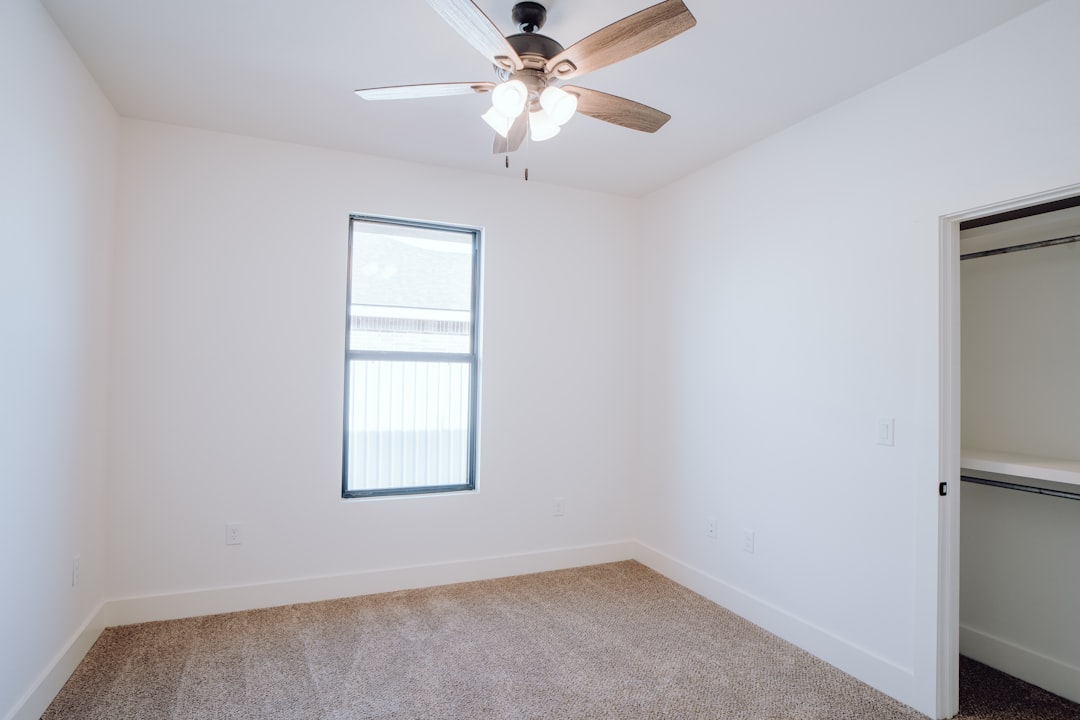
Consider a hypothetical example: a turnkey, three-bedroom home in a popular suburban neighborhood might cost $550,000. Just a few streets over, a structurally sound fixer-upper with a similar layout could be listed at $425,000. That $125,000 difference provides a significant budget for renovations, allowing you to finance the improvements and still potentially come in under the cost of the move-in-ready option.
Reason 2: Build Instant, Forced Equity
When you buy a home, you start building equity as you pay down your mortgage and as the market appreciates over time. A fixer-upper allows you to accelerate this process through what’s known as “forced equity.”
Forced Equity: The increase in a property’s value that comes directly from the improvements you make, rather than from market fluctuations.
This concept is tied to the After Repair Value (ARV). If you buy that home for $425,000 and invest $75,000 in smart renovations (like a new kitchen, updated bathrooms, and modern flooring), your total investment is $500,000. However, if comparable updated homes in the area are selling for $550,000, you have just created $50,000 in instant equity. You start your homeownership journey with a significant financial cushion that would have taken years to build otherwise. Even simple updates, like improving the importance of insulation to a homes value, can contribute to this growth.
Reason 3: Ultimate Customization
When you purchase a turnkey home, you inherit someone else’s design choices—their preferred cabinet style, their tile selection, their paint colors. A fixer-upper, on the other hand, is a blank canvas. You have the freedom to design a space that is a true reflection of your personality and lifestyle. From choosing the perfect house styles that appeal to you to laying out a kitchen that fits how you cook, the level of personalization is unmatched. This process creates a much deeper connection to your home and ensures it meets your needs from day one.
Reason 4: Sidestep the Bidding Wars
Many buyers today prioritize convenience. They want to unpack their boxes and be done. The prospect of managing contractors, making design decisions, and living with some dust is a major deterrent for this group. This is your strategic advantage. Because the buyer pool for fixer-uppers is significantly smaller, you are far less likely to find yourself in a stressful, multiple-offer situation. This often gives you more room to negotiate the price and terms and conduct thorough due diligence without the pressure of a dozen other buyers breathing down your neck.
Reason 5: Unlock Desirable Neighborhoods
Have you ever dreamed of living in a specific community known for its great schools, walkability, or vibrant atmosphere, only to be priced out by the high cost of entry? A fixer-upper can be your key. Often, the “worst house on the best block” is the most affordable property in an otherwise expensive neighborhood. By purchasing a home that needs work, you can gain access to the location and lifestyle you desire at a price point you can actually afford. You’re not just buying a house; you’re investing in a community.

“But What If…?” Addressing the Top 3 Fears of Buying a Fixer-Upper
Fear #1: “The costs will spiral out of control.”
This is the most common concern, and it’s a valid one. The fear of uncovering a “money pit” is real.
- Solution: The power of professional inspections. Before you commit, you must invest in thorough due diligence. This includes a general home inspection, but for a fixer-upper, you should also consider specialized inspections for pests, the sewer line, the foundation, and the roof. These expert reports will give you a clear picture of the home’s condition. You can then get detailed quotes from licensed contractors before closing, so you know the real costs involved. Don’t let the fear of pests, for example, derail a great opportunity when there are clear ways to control seasonal pests.
- Expert Tip: Always build a contingency fund into your renovation budget. A good rule of thumb is to set aside an extra 15-20% of your total estimated renovation cost to cover any unexpected issues that arise.
Fear #2: “I don’t know how to manage a renovation.”
You don’t need to be a construction expert or a DIY guru to successfully renovate a home.
- Solution: The key is to assemble the right team. Your home buying essential team will be your greatest asset. This starts with a great real estate agent and extends to a reliable lender, a thorough inspector, and a skilled general contractor.
- Expert Tip: A reputable general contractor is worth their weight in gold. They will manage the project, hire and schedule subcontractors, pull permits, and ensure the work is done to code. A well-connected real estate agent can often refer you to trusted local professionals they have worked with on past projects.
Fear #3: “How can I afford the house and the repairs?”
This is a logistical puzzle that stops many buyers in their tracks. Fortunately, there are specific financial products designed for this exact scenario.
- Solution: Renovation loans are designed to solve this problem. They allow you to bundle the purchase price of the home and the cost of the renovations into a single mortgage with one monthly payment.
- Expert Tip: Look into loan programs like the FHA 203(k) loan or the Fannie Mae HomeStyle® Renovation loan. A knowledgeable mortgage lender who specializes in these products can walk you through the options and help you determine which is the best fit for your financial situation and the scope of your project.
How Hall-Realty.com Becomes Your Fixer-Upper Partner
Navigating a fixer-upper purchase requires a different level of expertise than a standard transaction. As a service provider in the real estate industry, hall-realty.com is uniquely equipped to guide you.
Identifying Potential, Not Just Problems
Our experienced agents are trained to look beyond cosmetic flaws. We see the “good bones”—the solid structure, the functional layout, and the neighborhood potential that others might miss. We help you understand the difference between a simple cosmetic update and a major structural issue, ensuring you invest in a property with a strong potential for return.
Our Vetted Network of Professionals
We don’t just find you the house; we connect you with our trusted network of local inspectors, contractors, and lenders who specialize in renovation projects. This network is one of our most valuable assets, built over years of successful projects. It saves you the time and stress of finding reliable professionals on your own and gives you confidence that you have the right team in your corner.
Crafting the Right Offer
Making an offer on an “as-is” property has its own set of nuances. We help you structure an offer that protects your interests, including strong inspection contingencies that give you the ability to walk away or renegotiate if major issues are discovered. We use repair estimates to inform our negotiation strategy, ensuring you pay a fair price that accounts for the work ahead.
Your First-Time Buyer’s Fixer-Upper Action Plan
- Step 1: Financial Foundation: Before you even start looking at houses, talk to a lender. Specifically, ask about getting pre-approved for a renovation loan. This will give you a clear understanding of your total budget for both the purchase and the repairs.
- Step 2: Define Your Renovation Level: Be honest with yourself about what you can handle. Are you looking for a cosmetic fixer that just needs paint and new floors? Or are you open to a full gut job that involves moving walls? Knowing your limit is key to a successful project.
- Step 3: Partner with an Expert Agent: This is not the time for a novice. When choosing a REALTOR®, select an agent from hall-realty.com who has proven, verifiable experience with fixer-upper transactions and a deep understanding of renovation costs.
- Step 4: Tour Properties with a Vision: When you walk through a potential home, try to look past the ugly wallpaper, stained carpet, and dated fixtures. Focus on the things that are difficult and expensive to change: the location, the overall layout, and the structural integrity.
- Step 5: Due Diligence is Non-Negotiable: This is the most critical step. Once you are under contract, use your inspection period wisely. Bring in your general contractor and any necessary specialists to get firm quotes for the work. This information will empower you to move forward with confidence or walk away if the numbers don’t make sense.
Build Your Future, Don’t Just Buy It
In the challenging housing market of 2026, the path to homeownership requires creativity and a strategic mindset. A fixer-upper represents more than just a house; it’s an opportunity. It’s a chance to bypass the fierce competition, enter the market at a more affordable price point, and build substantial equity from day one.
While it demands more vision and upfront work than a turnkey property, the rewards are immense. You get to create a home that is perfectly tailored to you, located in a neighborhood you love, all while making one of the smartest financial decisions of your life. You aren’t just buying a house—you are building your future.